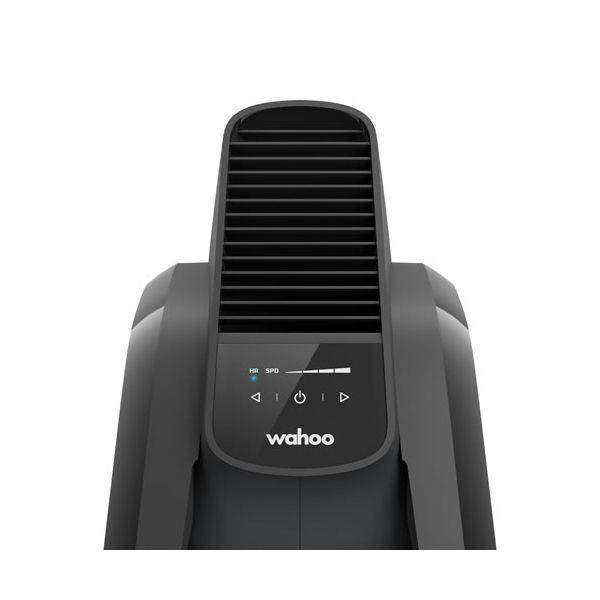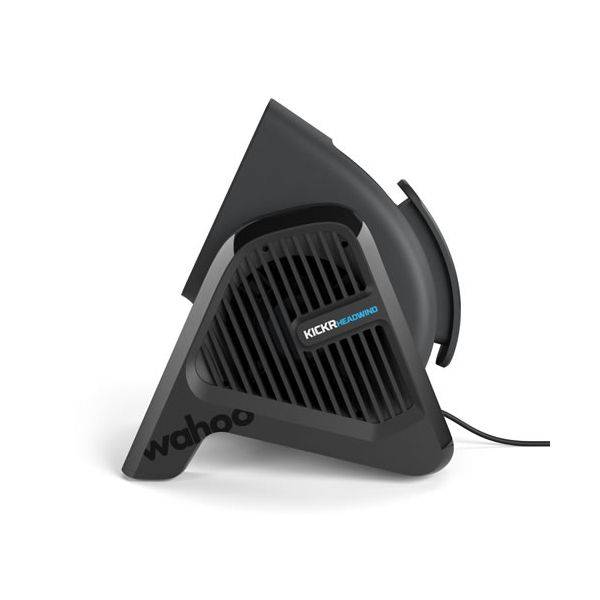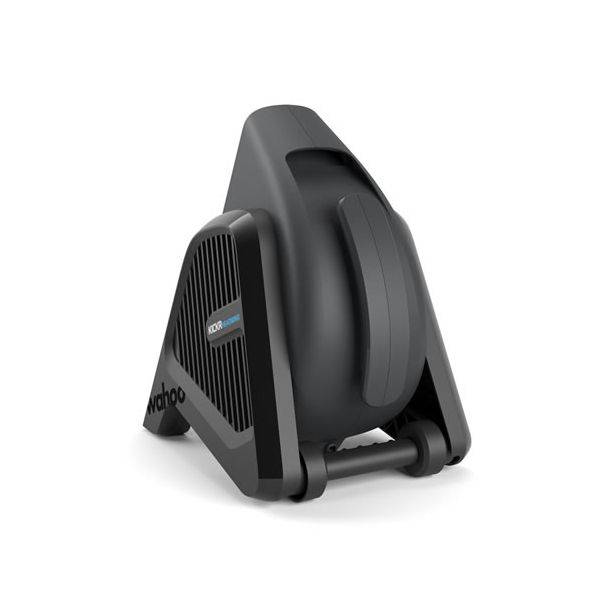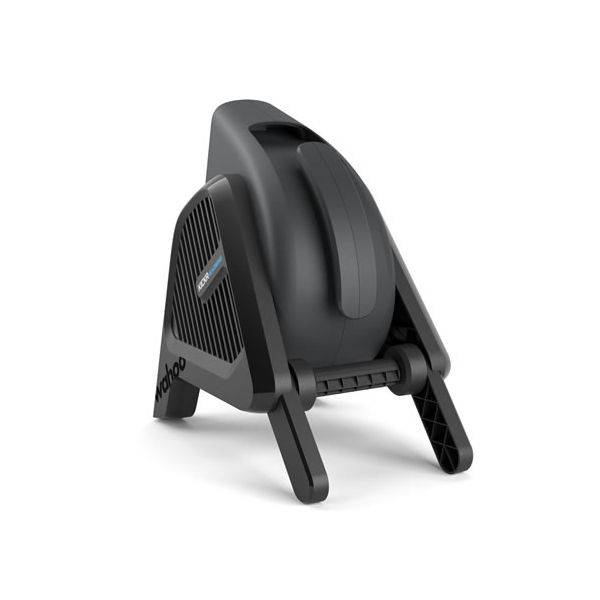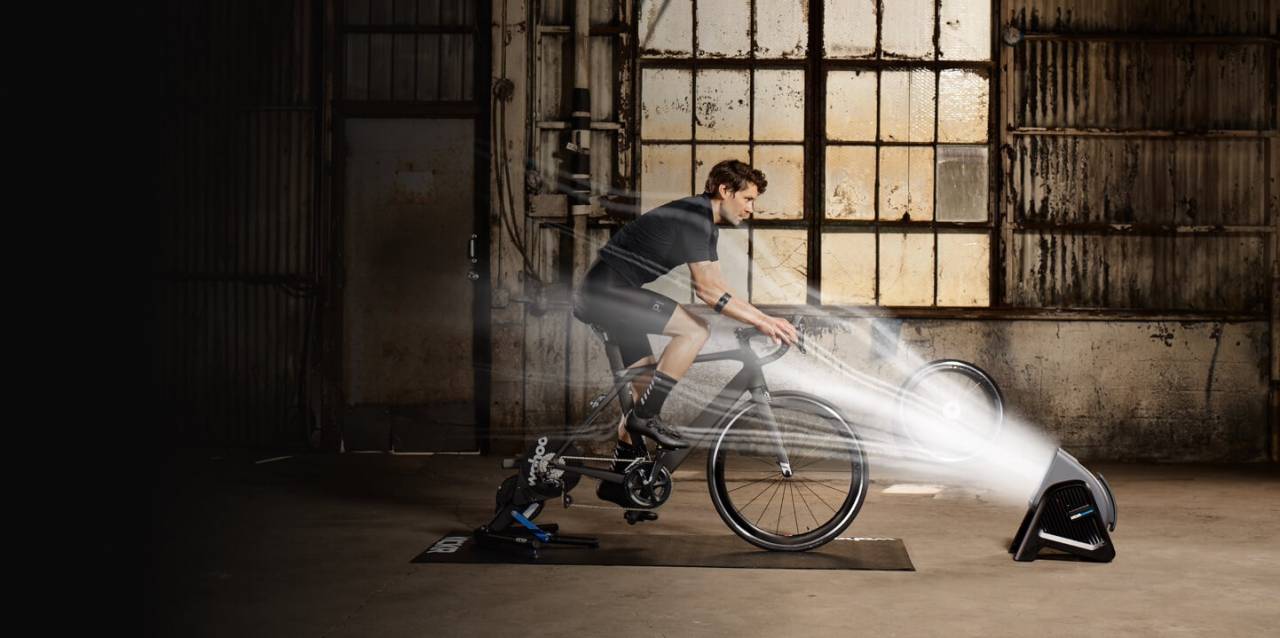
Wahoo Kickr Headwind Airflow System
WHO IS IT FOR & WHAT IS IT FOR?
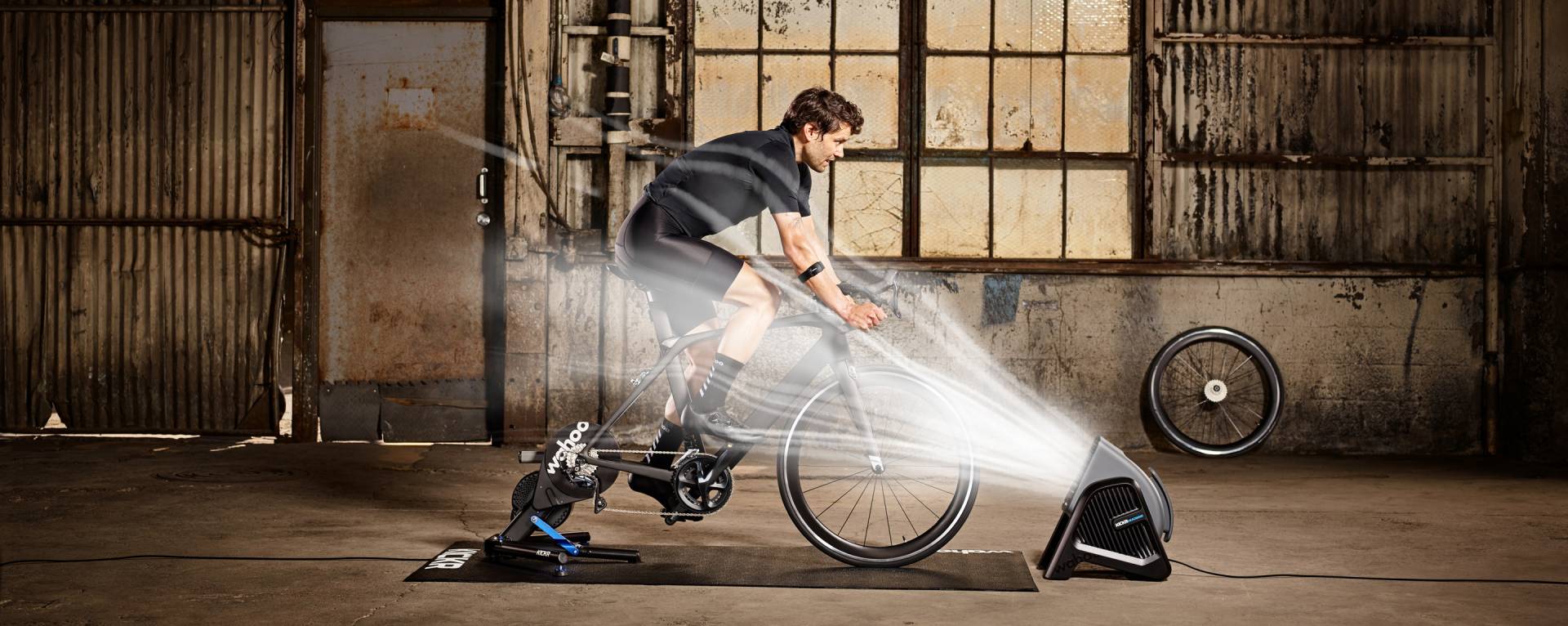
Indoor training enthusiasts: cyclists on turbo trainers, rowers, treadmill runners — anyone sweating indoors.
A key point: it’s not only for smart trainers and not exclusively for Wahoo devices.
Its functionality defines its value, so reading the detailed explanation is worth it.
IN MORE DETAIL
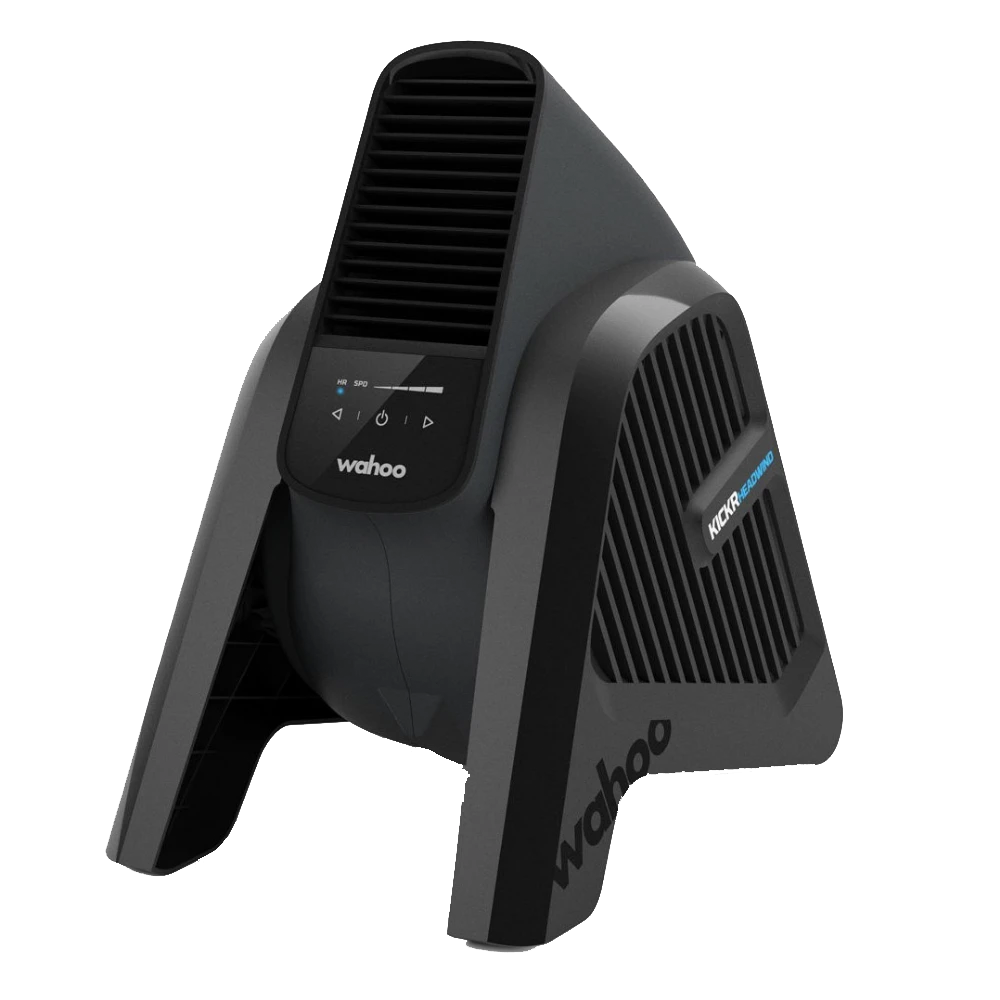
The Headwind is not just a fan — it’s an airflow machine.
You can’t compare it to your grandma’s household fan, nor even an industrial blower.
While industrial units are made to move large volumes of air, the Headwind is designed for professional, performance-linked airflow.
Here’s how it works:
It can pair with:
✔ ANT+ smart trainers
✔ heart rate monitors
✔ speed sensors
So it doesn’t require a smart trainer to operate.
- Paired with a heart rate monitor, airflow increases as your heart rate rises.
- Paired with a speed sensor, wind speed adjusts to your riding speed.
You define the limits: you can set which heart rate triggers maximum airflow, or what the maximum wind intensity should be.
It also connects via Bluetooth to your smartphone, where speed and modes are controlled through the Wahoo App.
So regardless of your trainer brand — smart or basic — the Headwind works with it.
Why isn’t it just called a fan?
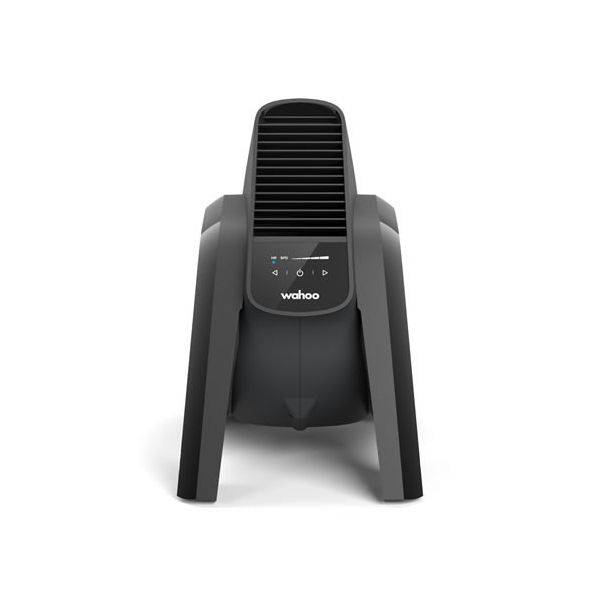
Because its internal build is different: instead of propeller-like blades, it uses a centrifugal airflow system, which results in smooth and very quiet operation — almost silent at idle.
It weighs nearly 5 kg, with a folding base that offers two airflow angle positions.
Conclusion
It significantly improves training comfort.
Personally, I prefer speed-based control: little airflow on climbs, strong “descending wind” when going fast — it feels natural.
But in structured Zwift workouts, heart-rate-based control can be more effective, helping you stay fresh until the end — without needing to chill the entire room.