TECHNICAL DETAILS
Battery Life (Accu)
Technical specifications
COMPUTER CONNECTIVITY
3rd PARTY APP
Other interesting
PACKAGE CONTENTS
A-166260
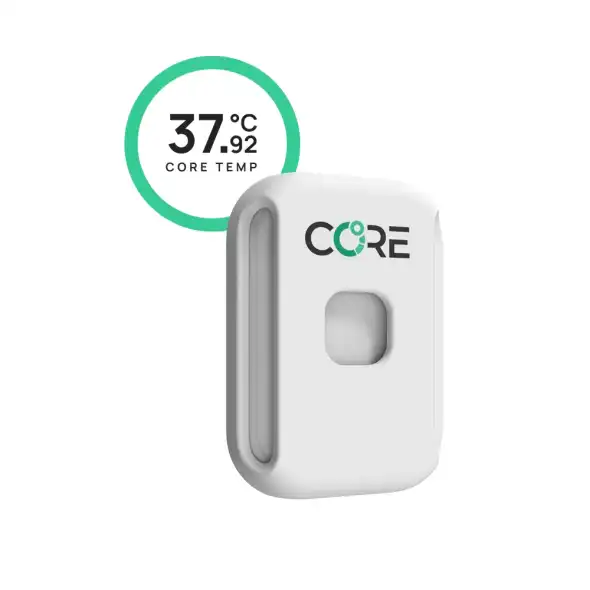
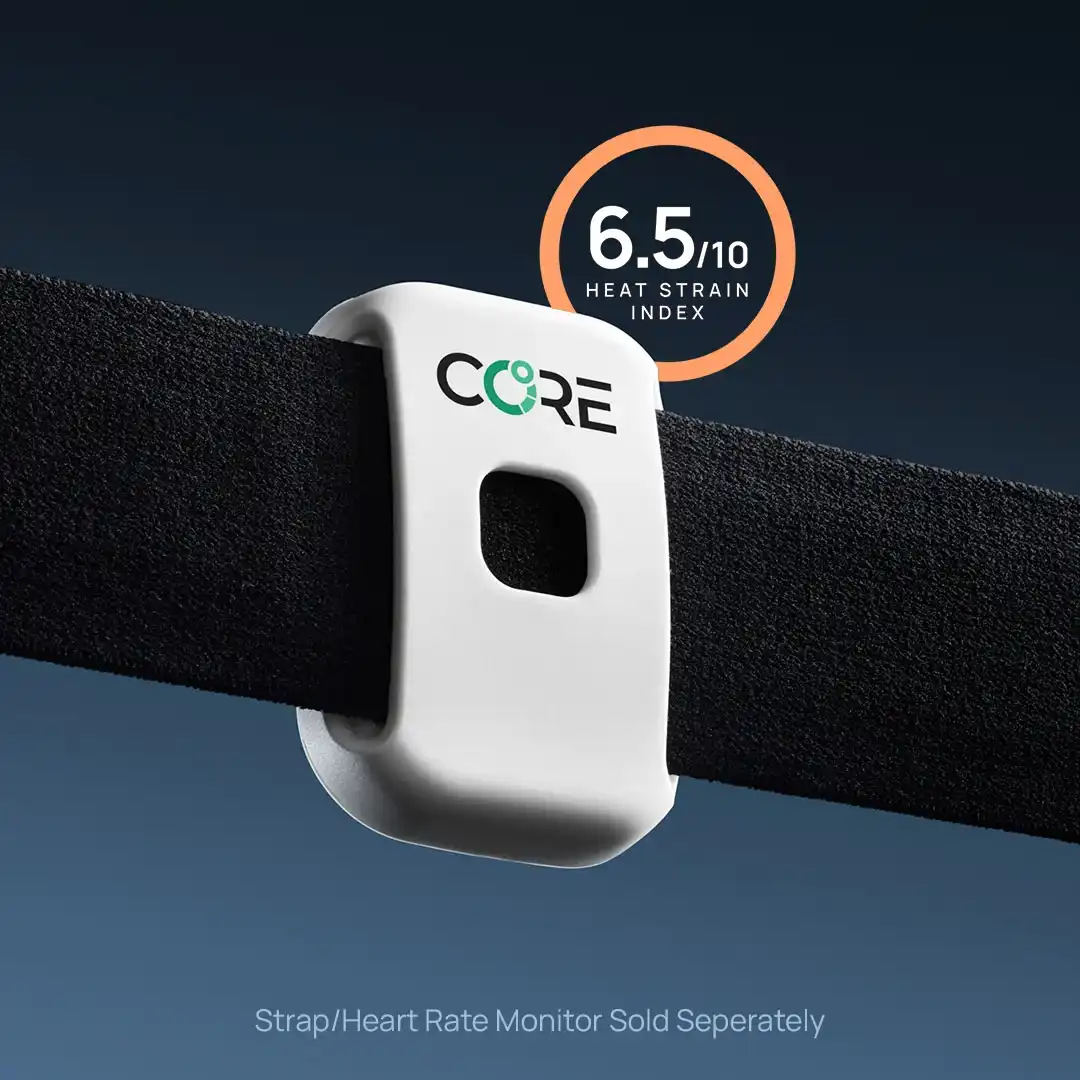
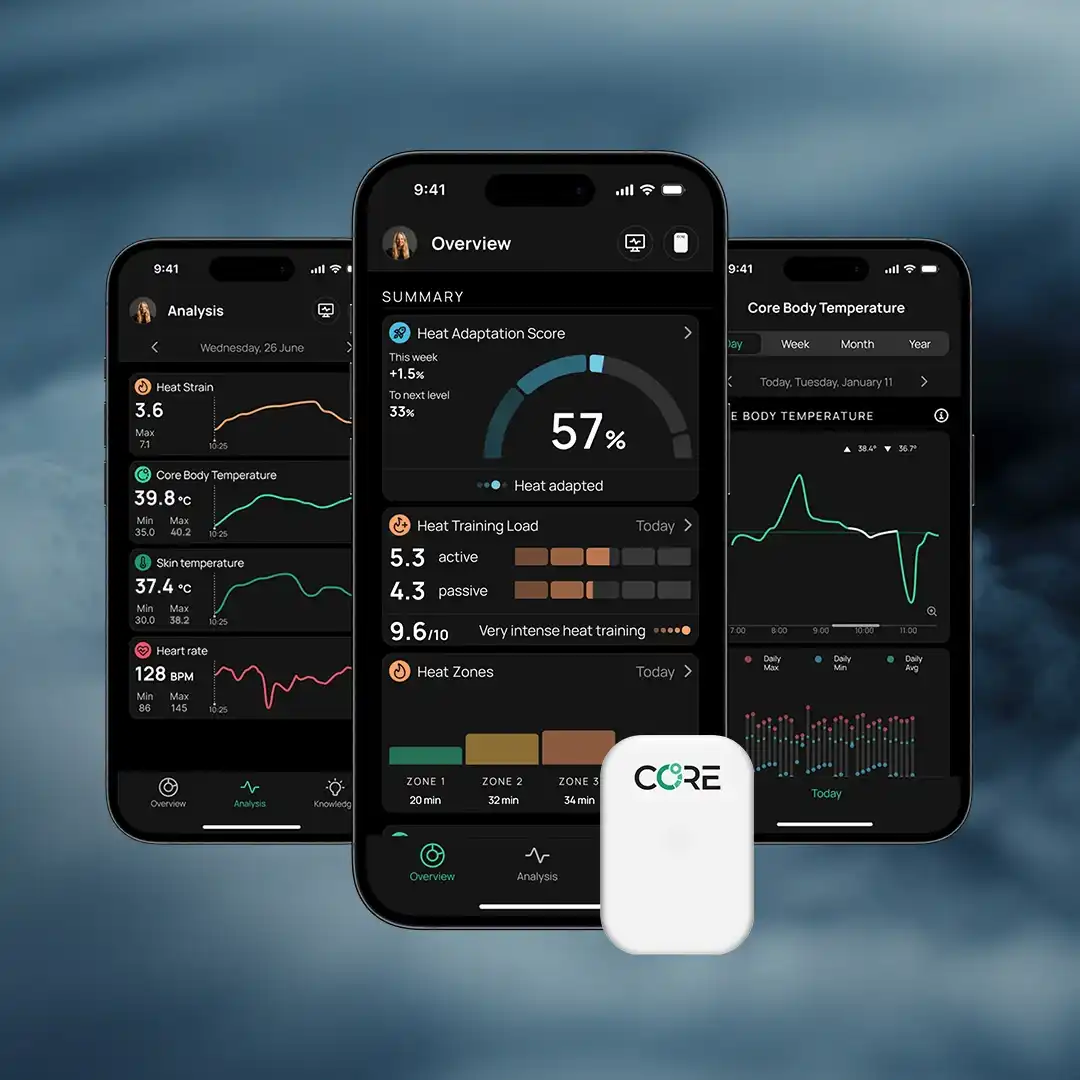
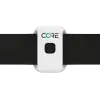
Tracks core and skin temperatures to assess heat strain. Heat zones, daily heat training load and a heat adaptation score help you plan your sessions and follow progress over time.
126 900 Ft
The amount of VAT included Last item in our shop.The CORE 2 Thermal Sensor product
was successfully added to your shopping cart.
Instalment payment
The contribution is 63 450 Ft, then pay 12 690 Ft 5 times
Want to be sure?
Check it whether you can pay in instalments for this product without any commitment!
Instalment Summary
The CORE 2 Thermal Sensor product
was successfully added to your shopping cart.
TECHNICAL DETAILS
Battery Life (Accu)
Technical specifications
COMPUTER CONNECTIVITY
3rd PARTY APP
Other interesting
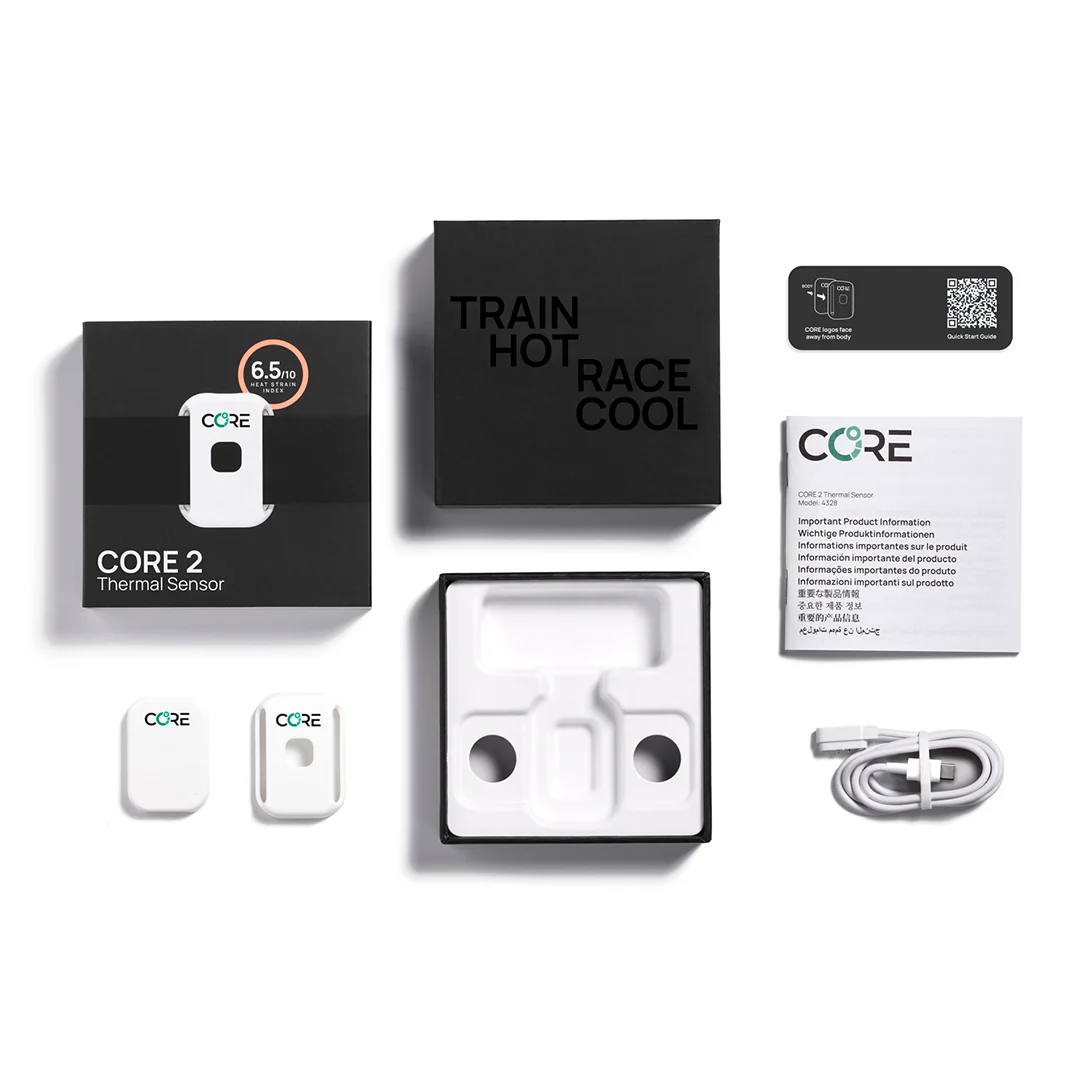
PACKAGE CONTENTS
TECHNICAL DETAILS
Battery Life (Accu)
Technical specifications
COMPUTER CONNECTIVITY
3rd PARTY APP
Other interesting
PACKAGE CONTENTS

USE ANT+ AND BLUETOOTH TO SEAMLESSLY CONNECT WITH YOUR TRAINING AND RACING TECH

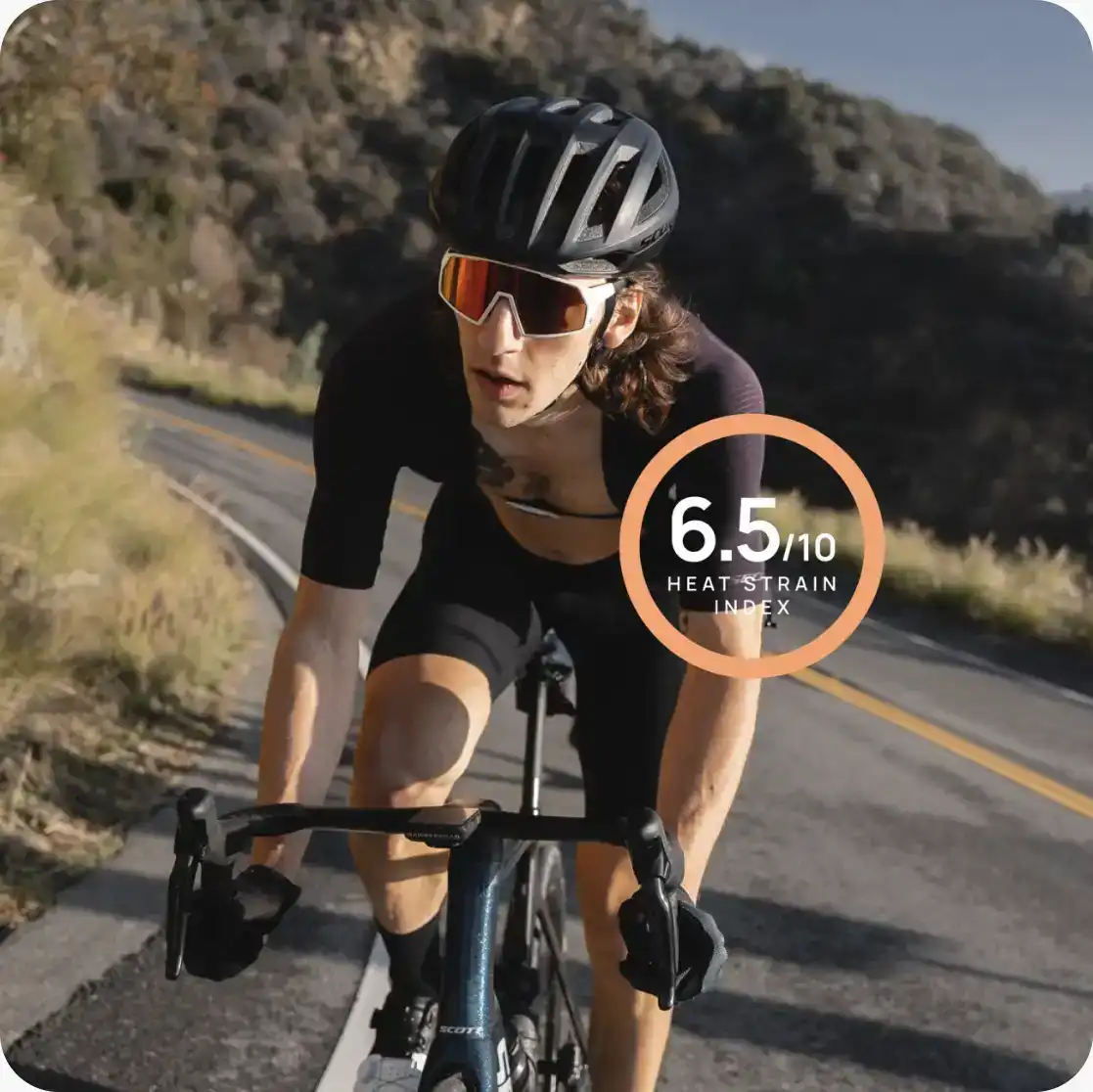
Heat strain describes the physiological processes that cool the body. The harder the body works to cool itself, the greater the strain, and the greater the impact on performance.
CORE’s Heat Strain Index (HSI) quantifies this strain in real time using an algorithmic combination of core and skin temperatures.
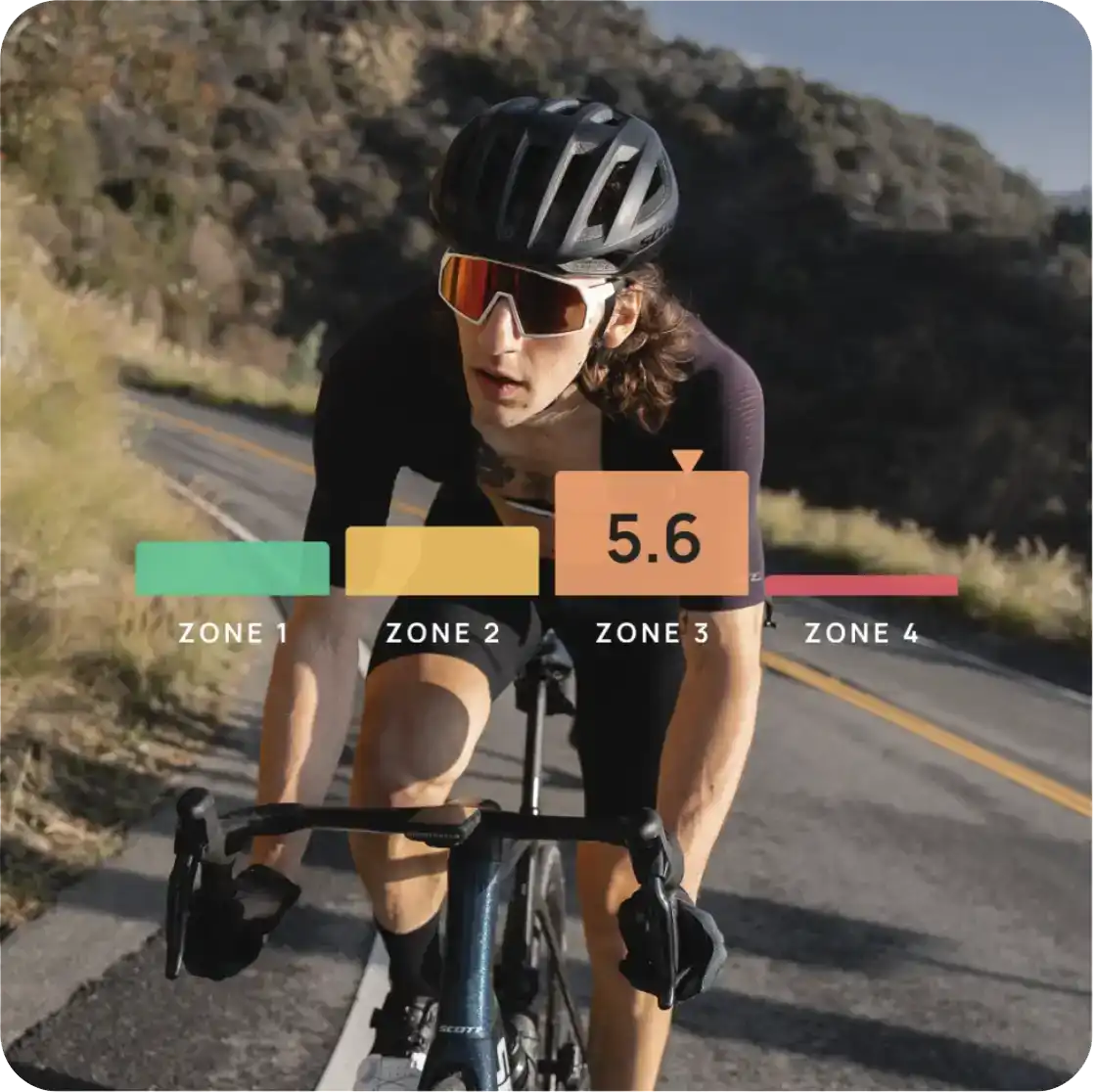
Your Heat Strain Index can fall into one of four Heat Zones. The heat training zone (Zone 3) is the one that causes physiological adaptations that improve performance.
Time spent in each zone is tracked in the CORE app.
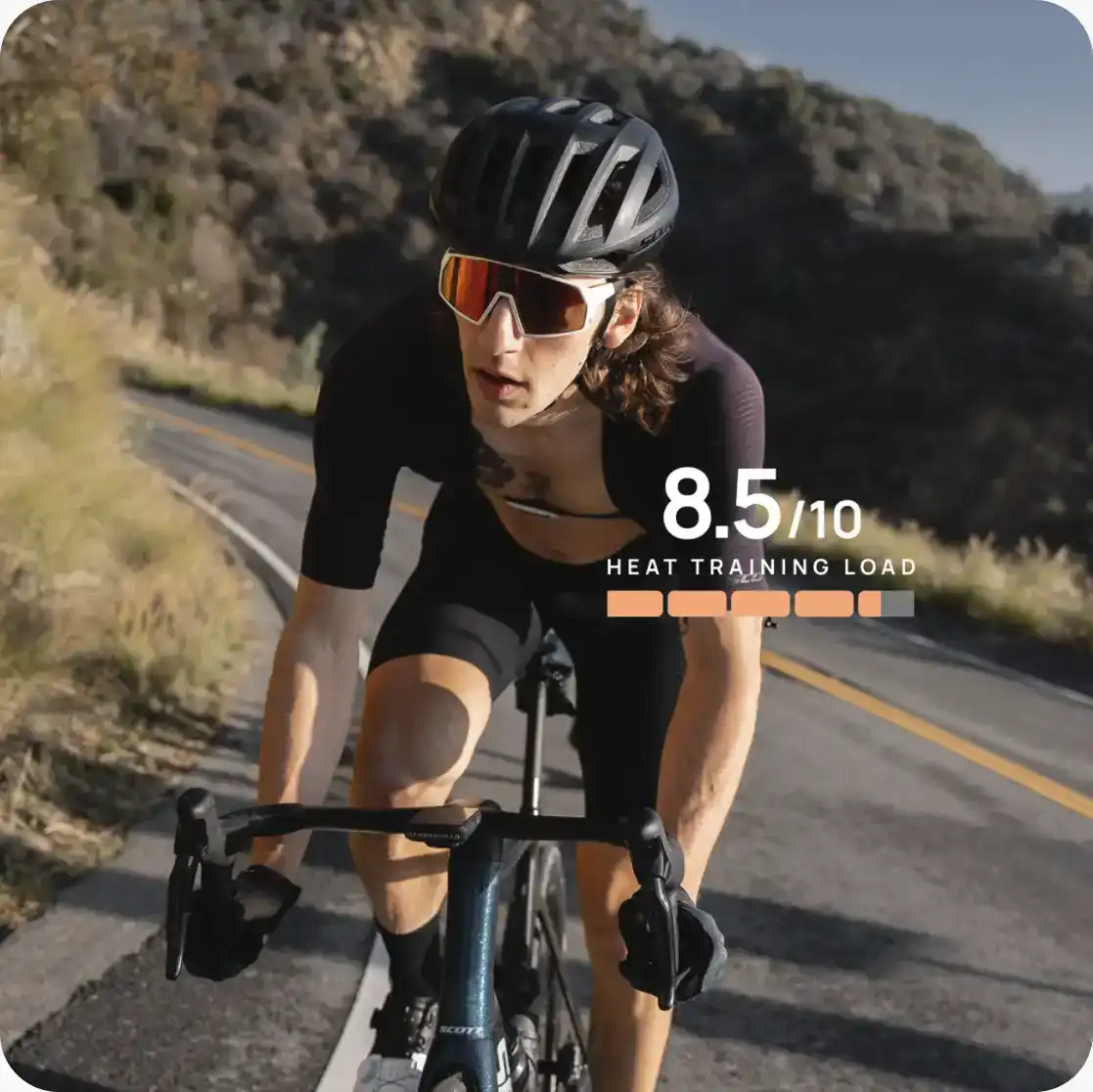
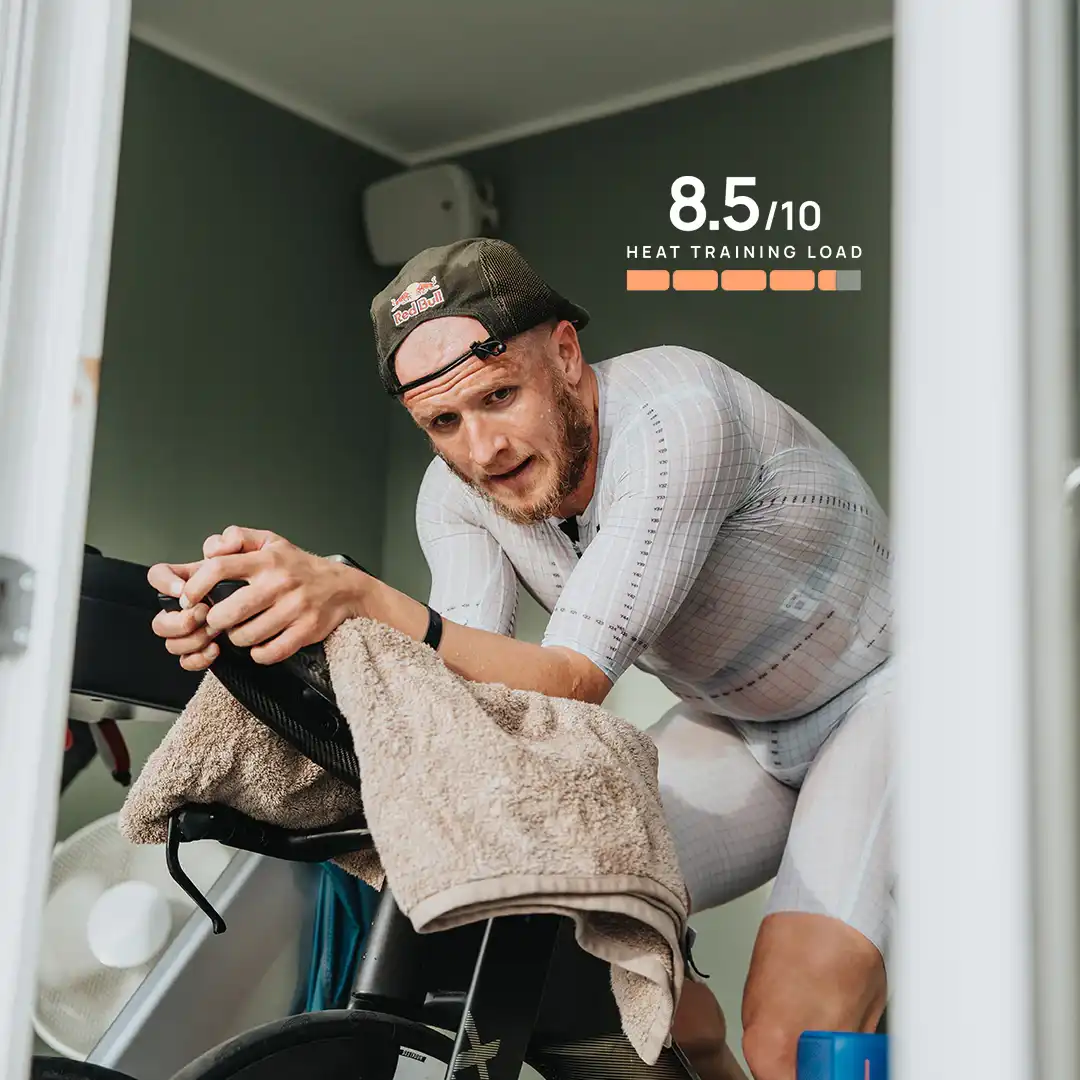
Your Heat Training Load is a daily score from 0 to 10 based on the time you spend in the heat training zone (Zone 3).
Optimal heat training involves 2–3 sessions per week, with 45–60 minutes per session in the heat training zone.
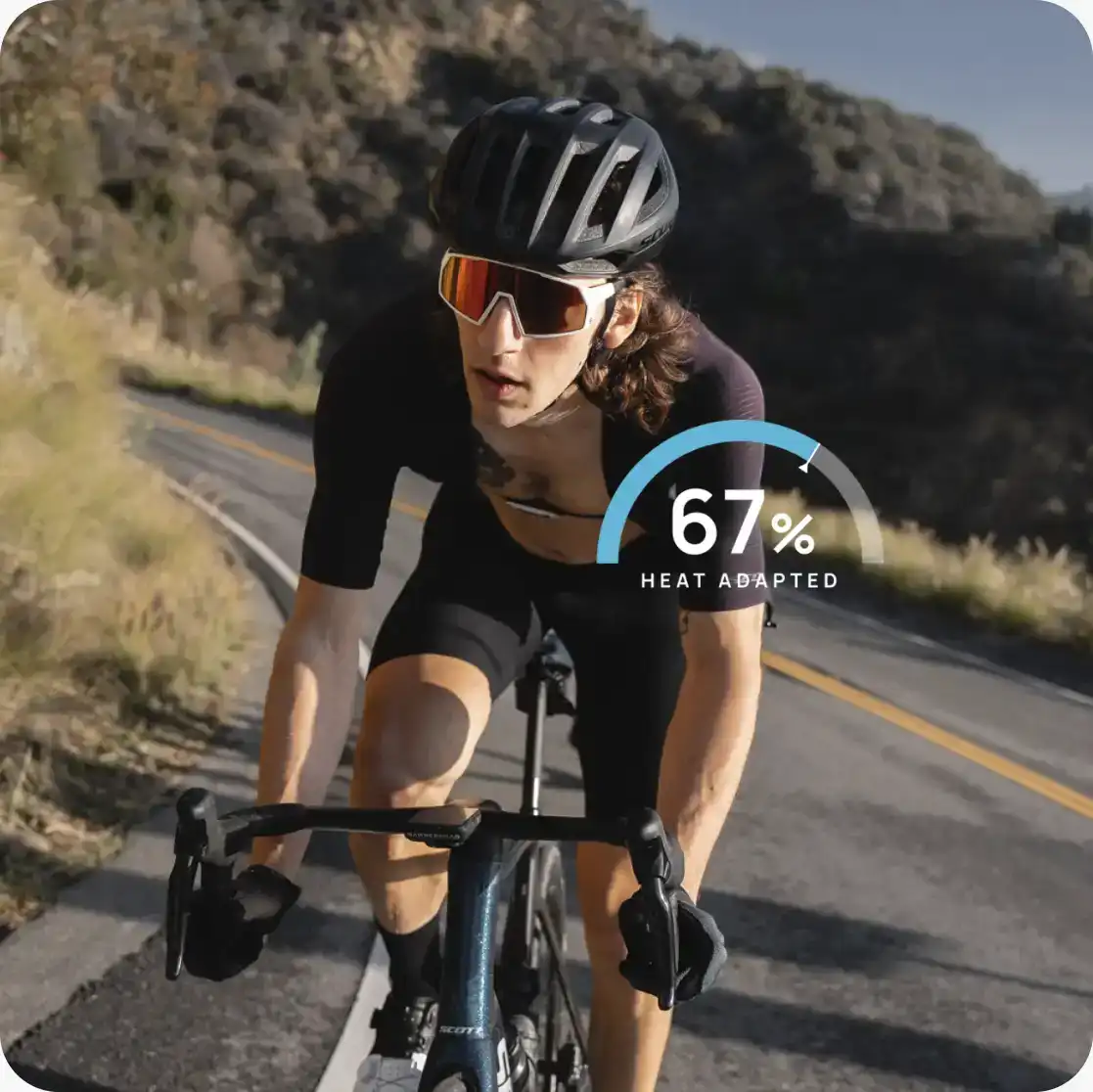
Consecutive days with a high Heat Training Load will increase your Heat Adaptation Score.
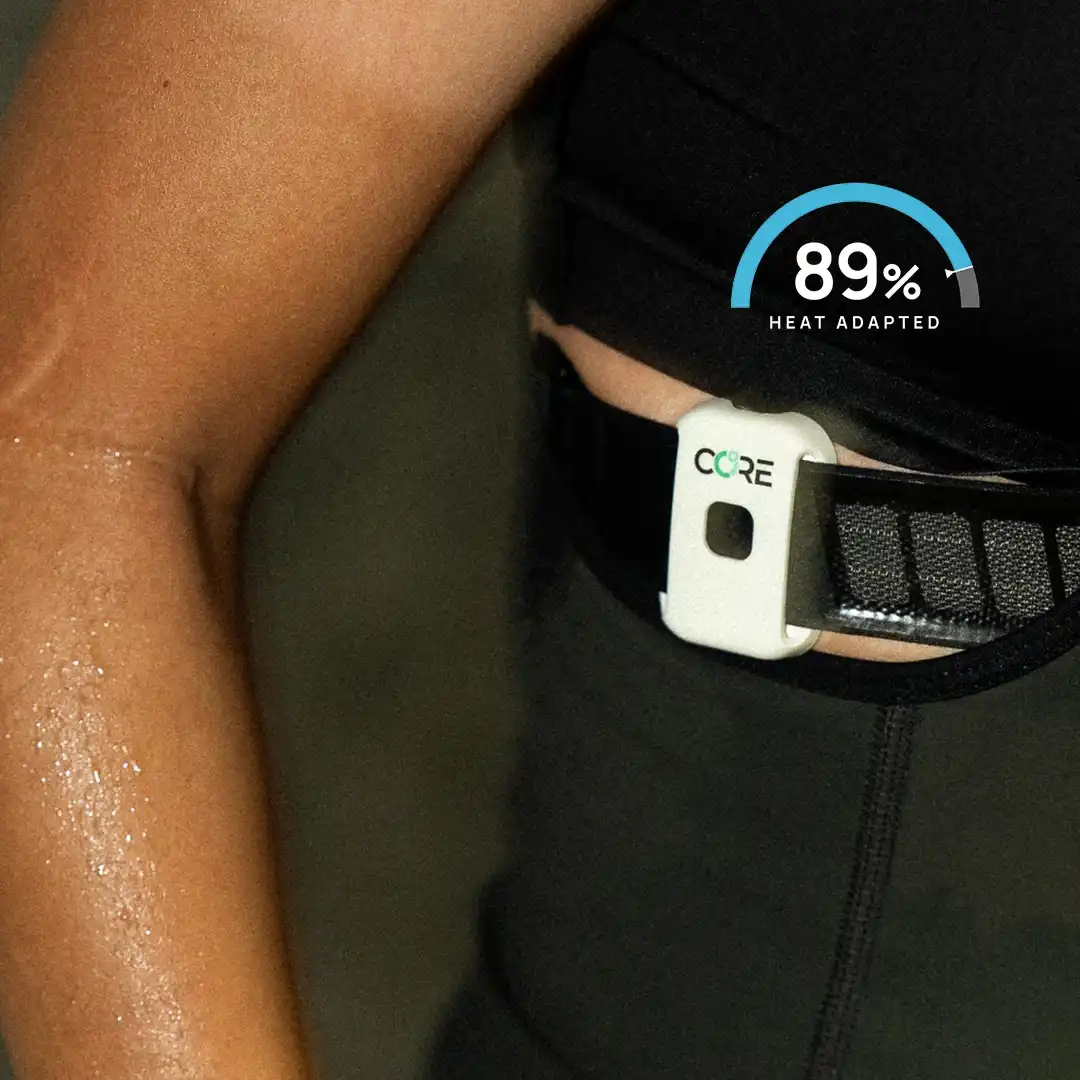
Under the right conditions, the human body has an amazing ability to adapt. The Heat Adaptation Score uses an evidence-backed formula to calculate how adapted you are to heat on a scale of 0–100%.
Use Heat Zones to guide your training towards high daily Heat Training Loads, which ultimately boost your Heat Adaptation Score over time.
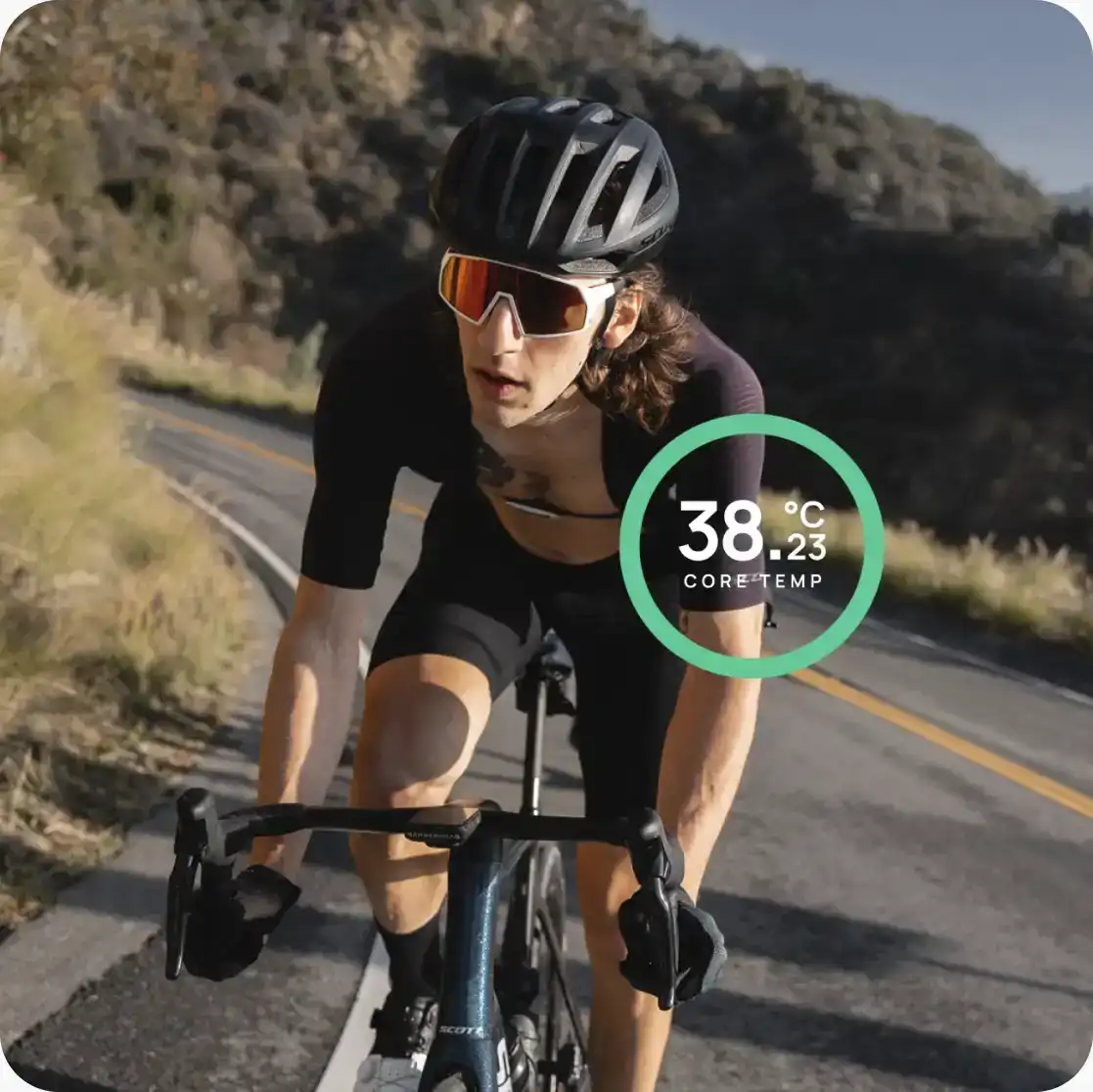
Core body temperature is the temperature near the internal organs in your torso. It rises during exercise, and if it rises too high, performance suffers.
Skin temperature varies widely depending on environmental conditions. While it helps your body regulate core temperature, there is often little correlation between the two.
Both measurements are used to calculate your Heat Strain Index.
CORE allows you to safely facilitate heat training, which has been proven to increase hemoglobin mass, VO2max, lactate threshold, power output, and blood plasma during controlled laboratory studies.
Heat adaptations allow you to stay cooler for longer, increasing your performance on race day regardless of the temperatures. CORE also allows you to monitor your thermal vitals in real-time so you can pace and cool accordingly.
CORE 2 was developed to give athletes a window into the previously invisible thermal workings of human physiology. To celebrate this innovation, we've create a limited run of ice-clear CORE 2's to peel back the curtain on the device itself. Aside from the transparent casing and clip, the internal sensor is the same technology trusted by the world's best athletes in the normal CORE 2.
Your muscles generate heat when they’re working hard. Generate enough heat, and your core body temperature will rise. Your body will try to cool itself by diverting blood from the muscles to the skin where it’s cooled by sweat evaporation, which leads to decreased speed and performance. But you can minimize this effect in two ways. First, by monitoring your core temperature, you can make strategic cooling and pacing decisions during training and racing, helping you stay cool and maximize your performance. Second, you can use heat training to help you adapt to higher internal body temperatures come race day. This can lead to radically better performance - in one study, cyclists improved their speed by 8% in a time trial, after heat training for just 10 days prior to the race.
The CORE sensor measures both core body temperature and skin temperature. Those metrics are displayed live in the CORE app and on compatible sports tech devices. The app and some Garmin devices also display the real-time Heat Strain Index, which shows the amount of heat stress the body is experiencing.
When you’re heat training, use CORE data to keep your core temperature within your heat training zone. During racing, CORE data can tell you when to use cooling strategies and when to reduce power/pace so that you don’t overheat.
Maximum benefits are gained by doing 10–12 sessions within 2–6 weeks. Most athletes will experience the majority of gains after 4–5 sessions and benefits can be maintained through the season with just 2–3 sessions per week. Each session should involve a continuous effort of 45–60 minutes within the heat training zone. This is the recommended course of training, though even less frequent heat training has been shown to be effective at improving performance come race day.
Heat training adapts the body to perform more efficiently at elevated core temperatures. It also builds blood plasma and hemoglobin, which increases performance (increased power at both lactate threshold and VO2max) in both cool and hot conditions alike.
The impact of heat on human performance has been thoroughly studied and understood. It’s well documented by sports scientists that heat training increases the body’s ability to cope with higher heat, to cool itself more efficiently, and to perform in both cool and hot conditions. Physiological changes include increased blood plasma and hemoglobin, increased sweat rate, and earlier onset of sweating. Learn more from this selection of relevant research papers.
The CORE sensor measures thermal energy transfer between the body and the environment. An AI-powered algorithm uses this data to calculate core body temperature with medical-grade accuracy. Extensive testing has validated the accuracy of CORE data against internal body temperature data collected with more invasive methods, like ingested electronic pills. This means that athletes can reliably use CORE data to understand what is happening inside their body, with a completely non-invasive wearable that’s the first of its kind.
To get the most precise data during sports activity, we highly recommend pairing with a heart rate monitor. Heart rate helps the sensor accurately convert measured heat flux into core body temperature. During everyday activity (ie. non-sports), core temperature data is accurate both with and without a heart rate monitor.
Data from CORE is not usable when recorded underwater. However, it is fine to wear the device underwater (e.g. during the swim portion of a triathlon) but just remember that the data will not be reliable during that portion. It is not recommended to take CORE into passive heat training environments (i.e. sauna, steam). Not only is it unsafe the bring electronics into those environments, but also the data will not be accurate. You can use the Passive Heat Training Calculator in the CORE app to manually input passive session details.
Welcome to our shop! 👋 Whether you are looking for a specific product, some information or help, we are here for you. 😉 Can we help?
Zerge assistant
AI customer support
This conversation is saved to help us provide better support. You are chatting with an AI assistant. Before making any important decisions, please verify the information or contact our live customer support.
We handed your conversation over to live support and shared the chat so far so they can help you faster. Open the live chat window to continue.
This conversation has ended.
Leave your contact details and our colleagues will get back to you soon!